



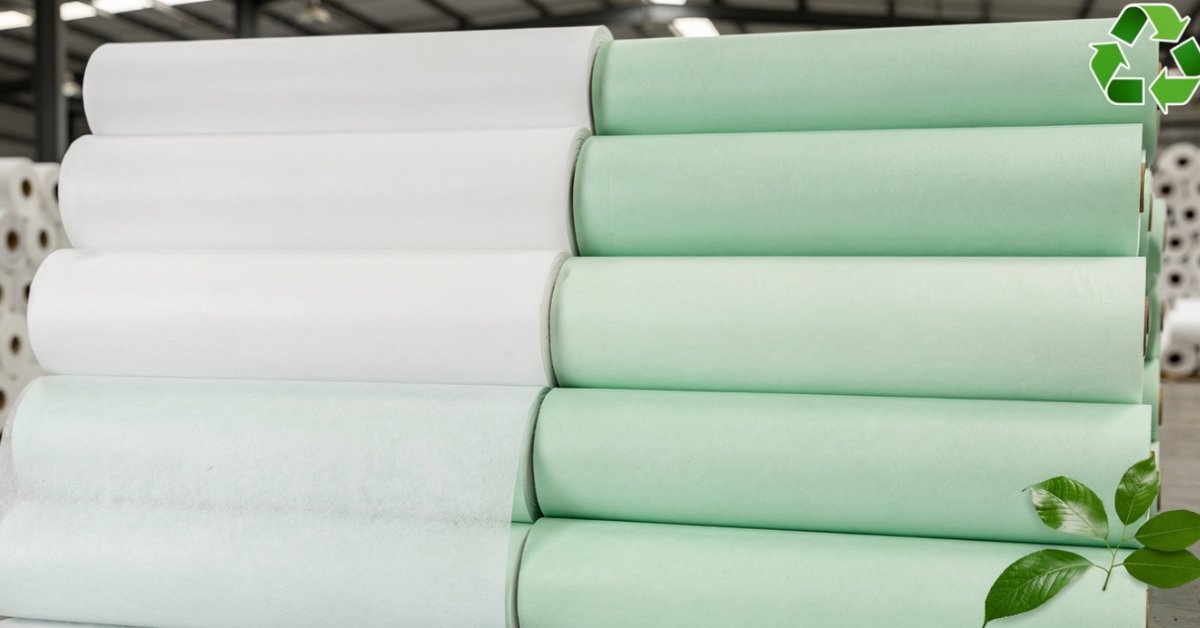
Sustainability is one of the most discussed topics in the textile and materials industry today. As brands face increasing pressure from regulators, retailers, and consumers to reduce environmental impact, procurement teams are asking harder questions about the materials they source — including nonwoven fabric.
This article provides an honest, factual assessment of the sustainability profile of PP spunbond nonwoven fabric — covering recyclability, energy consumption, end-of-life options, and emerging eco-friendly alternatives. Understanding how polypropylene fits into modern industrial supply chains helps businesses balance performance requirements with environmental stewardship.
The Environmental Profile of PP Spunbond Nonwoven
Polypropylene (PP) spunbond fabric has several technical and structural properties that give it a more favourable environmental profile than many traditional textile alternatives:
PP Spunbond vs Traditional Materials: Sustainability Snapshot
| Attribute | PP Spunbond Nonwoven | Cotton / Traditional Textile | Environmental Impact |
|---|---|---|---|
| Water Use | No water in core production process | 7,000–10,000 L/kg | Highly Favourable |
| Chemical Binders | None – thermal bonding only | Heavy dyes, formaldehyde finishes | Favourable |
| Material Efficiency | 20–100 GSM does same job as 150+ GSM woven | Heavier material needed | Favourable |
| Recyclability | 100% recyclable – Resin Code #5 | Limited recycling | Favourable |
| Biodegradability | Not biodegradable (limitation) | Biodegradable | Limitation – needs recycling |
| Carbon Source | Fossil-based (PP) | Renewable but water-intensive | Trade-off |
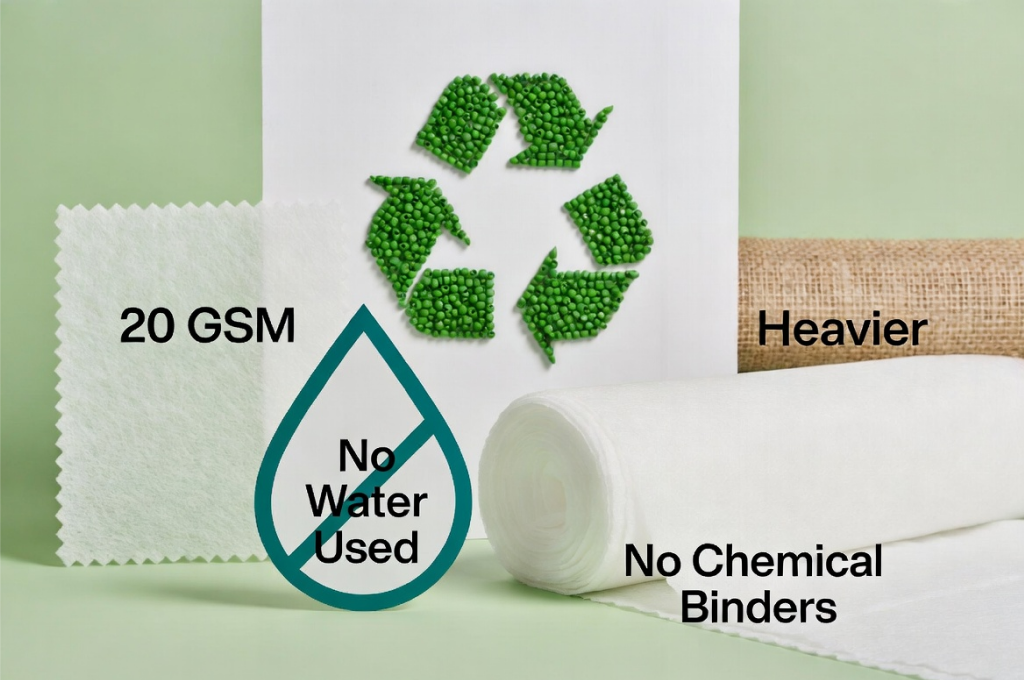
- Water use: No water in manufacturing: Unlike cotton or viscose, spunbond PP production uses no water in the core production process — a significant advantage given global water scarcity concerns and heavy industrial consumption footprints.
- Chemical use: No chemical binders or dyes (in standard grades): Thermal bonding only — no hazardous chemical crosslinkers, formaldehyde, or heavy metal dyes used in standard industrial roll processing.
- Material efficiency: Low weight = less material: A lightweight nonwoven layer uses far less raw material input by weight than an equivalent woven fabric or plastic film performing the same mechanical function.
- Recyclability: 100% recyclable polymer: PP is Resin Identification Code #5 — widely recyclable in established industrial recycling streams. Post-industrial nonwoven waste can be clean-shredded, re-pelletized, and reused.
The Challenges — Where PP Nonwoven Falls Short
Transparency requires acknowledging limitations. While polypropylene offers high manufacturing efficiency, procurement specialists must balance these benefits against inherent life-cycle challenges:
- Raw material origin: Fossil-fuel based: PP is derived from petroleum feedstocks. Like standard commercial plastics, it contributes to overall industrial fossil fuel resource dependency.
- End of life: Not biodegradable: Standard virgin PP nonwoven does not break down or biodegrade in standard landfill conditions within a useful or short timeframe.
- Microplastics: Microplastic risk: In mismanaged waste environments, fragmented synthetic fibres can contribute to broader environmental microplastic pollution concerns.
Responsible PP Nonwoven Use — Best Practices
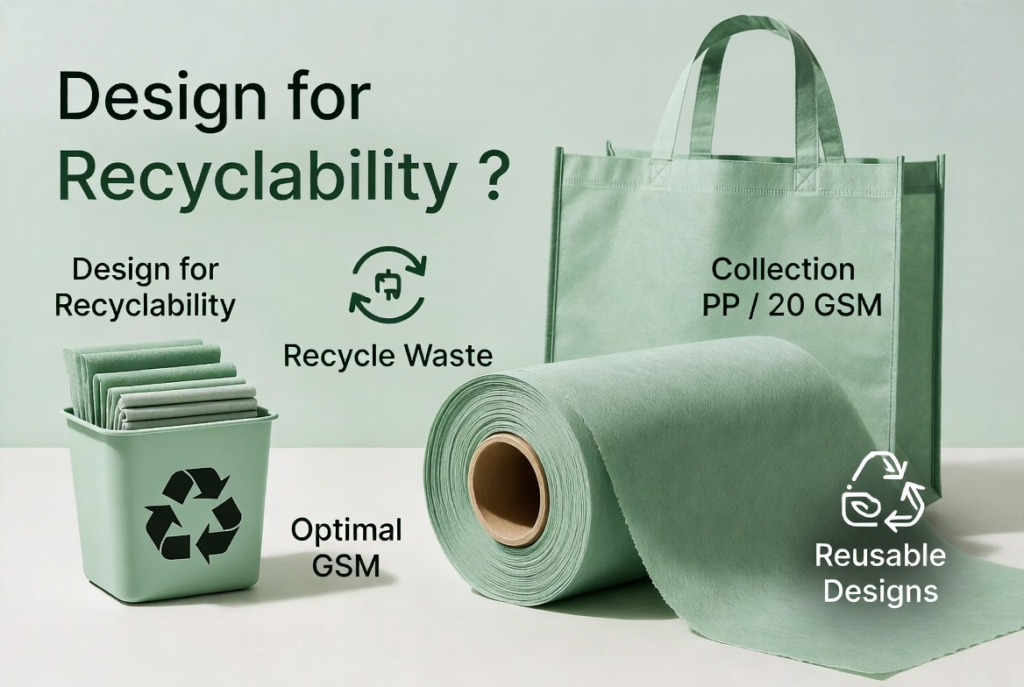
- Design for recyclability: Keep composite components mono-material (PP only) to enable seamless post-use recycling without complex chemical separation.
- Collect and recycle waste: Establish closed-loop post-industrial waste collection protocols for manufacturing trimmings and roll remnants.
- Specify appropriate GSM: Avoid over-engineering specifications — selecting the lightest GSM that fulfills mechanical requirements minimizes total resource consumption. For GSM-specific material efficiency data across applications, see GSM Nonwoven Fabric Guide.
- Consider reusable designs: Where hygiene and application rules permit, durable reusable hygiene nonwoven fabric products provide a much lighter footprint over time than single-use disposables.
For a direct comparison of reusability, lifecycle and disposal versus conventional plastic film, see Nonwoven Fabric vs Plastic — Comparative Analysis.
Emerging Sustainable Alternatives
The materials sector continues to innovate, introducing alternative feedstocks and modified polymers designed to address end-of-life concerns:
- Bio-based PP: Propylene synthesized from renewable bio-based feedstocks (such as sugarcane industrial waste) — retaining identical mechanical performance and recyclability with a reduced carbon profile.
- PLA nonwoven: Polylactic acid derived from corn starch or cassava — industrially compostable under proper parameters, though dependent on dedicated commercial composting facilities.
- Natural fibre nonwovens: Cotton, hemp, or flax-based nonwovens — fully biodegradable, though often carrying higher material costs and varying moisture management profiles.
- Recycled PP nonwoven: Fabrics engineered using post-consumer or post-industrial recycled PP resin grades — an option actively evaluated across our product lines.
Frequently Asked QuestionsIs PP spunbond nonwoven considered eco-friendly?
While petroleum-derived, its resource efficiency in production, low water footprint, and 100% recyclability make it a sustainable choice when managed through responsible post-industrial recycling and waste collection channels. For a balanced view of trade-offs versus plastic film, see our Nonwoven Fabric vs Plastic — Comparative Analysis guide at /nonwoven-fabric-vs-plastic/.
Can PP nonwoven fabric be recycled easily?
Yes. Because standard PP is a clean mono-material thermoplastic (Resin Code #5), clean industrial waste and trimmings can be easily melted down and re-pelletized for secondary manufacturing without chemical separation.
What makes Olefins’ manufacturing process sustainable?
We operate comprehensive internal scrap-recovery loops, utilize certified virgin raw materials, and support clients with precise material specifications to eliminate unnecessary over-engineering and reduce total material consumption.
Is nonwoven fabric biodegradable?
Standard virgin PP spunbond is not biodegradable in landfill. This is why we focus on recyclability, mono-material design, and emerging alternatives like bio-based PP, PLA nonwoven and recycled PP grades to address end-of-life concerns. See full limitations in Sustainable Nonwoven Fabric Guide.
Olefins’ Commitment to Responsible Manufacturing
Is PP spunbond nonwoven considered eco-friendly?
While petroleum-derived, its resource efficiency in production, low water footprint, and 100% recyclability make it a sustainable choice when managed through responsible post-industrial recycling and waste collection channels. For a balanced view of trade-offs versus plastic film, see our Nonwoven Fabric vs Plastic — Comparative Analysis guide at /nonwoven-fabric-vs-plastic/.
Can PP nonwoven fabric be recycled easily?
Yes. Because standard PP is a clean mono-material thermoplastic (Resin Code #5), clean industrial waste and trimmings can be easily melted down and re-pelletized for secondary manufacturing without chemical separation.
What makes Olefins’ manufacturing process sustainable?
We operate comprehensive internal scrap-recovery loops, utilize certified virgin raw materials, and support clients with precise material specifications to eliminate unnecessary over-engineering and reduce total material consumption.
Is nonwoven fabric biodegradable?
Standard virgin PP spunbond is not biodegradable in landfill. This is why we focus on recyclability, mono-material design, and emerging alternatives like bio-based PP, PLA nonwoven and recycled PP grades to address end-of-life concerns. See full limitations in Sustainable Nonwoven Fabric Guide.
At Olefins, we take our environmental responsibilities seriously. We operate an active post-industrial waste recycling programme that collects all PP trimmings and defective fabric rolls for internal reprocessing. We use only verified raw materials from certified suppliers with transparent documentation. For further technical details, explore our core material guides or browse our supplier resources.
For buyers with specific corporate sustainability mandates, Olefins can provide material compliance documentation, raw material certificates, and guidance on waste management practices. Contact us directly at info@olefins.net.
Next Post
What Is GSM in Nonwoven Fabric?
Post a comment
Related Posts
How to Choose & Source Nonwoven Fabric Manufacturers in Pakistan: Complete Buyer’s Guide
Sourcing high-quality polypropylene (PP) spunbond and composite nonwoven fabrics from Pakistan requires a strategic approach…
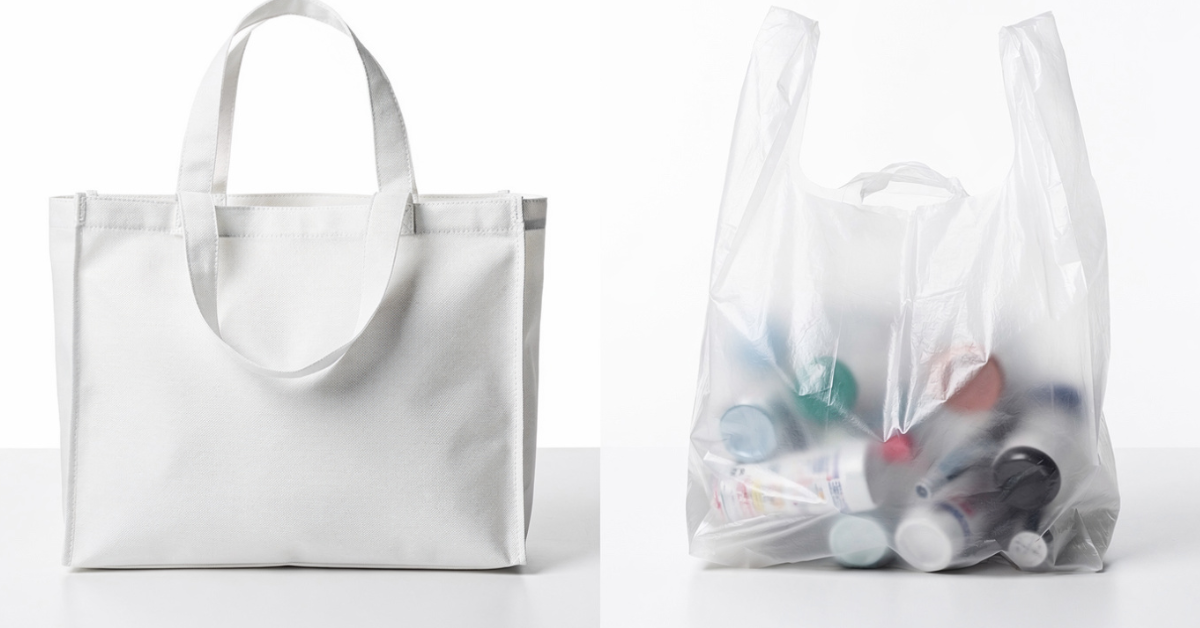
Nonwoven Fabric vs Plastic: Why PP Spunbond is the Smarter Choice
Manufacturers and procurement teams frequently face a choice between polypropylene nonwoven fabric and conventional plastic…
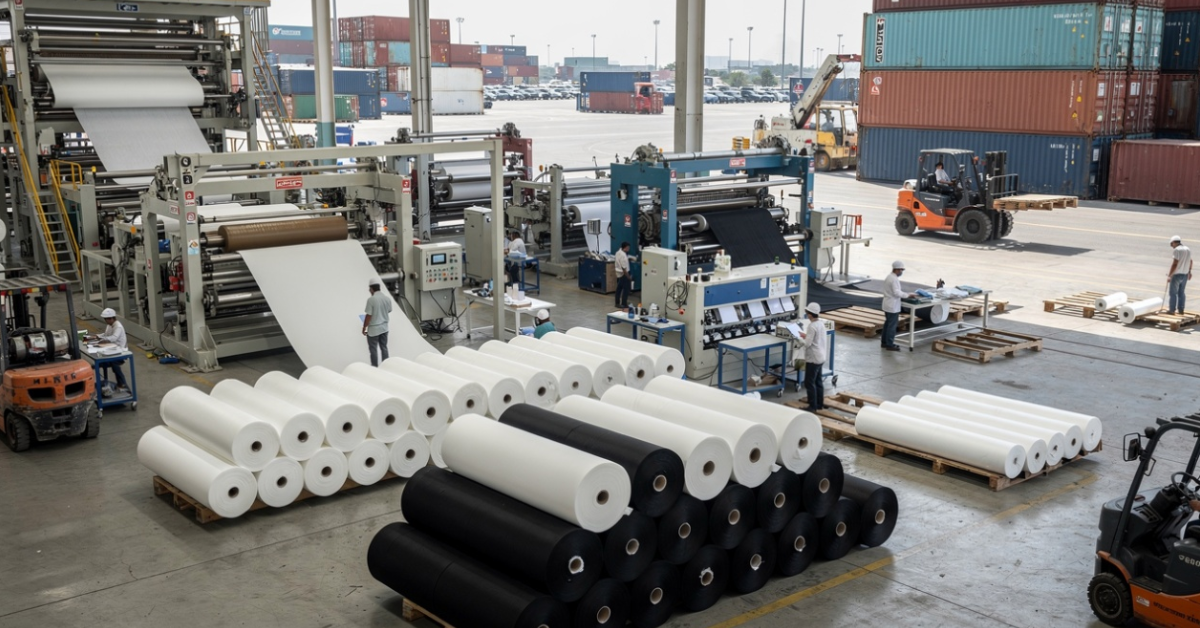
Nonwoven Fabric in Pakistan — Industry Overview & Export Capabilities 2026
Pakistan’s textile industry is one of the largest in the world, contributing over 60% of…
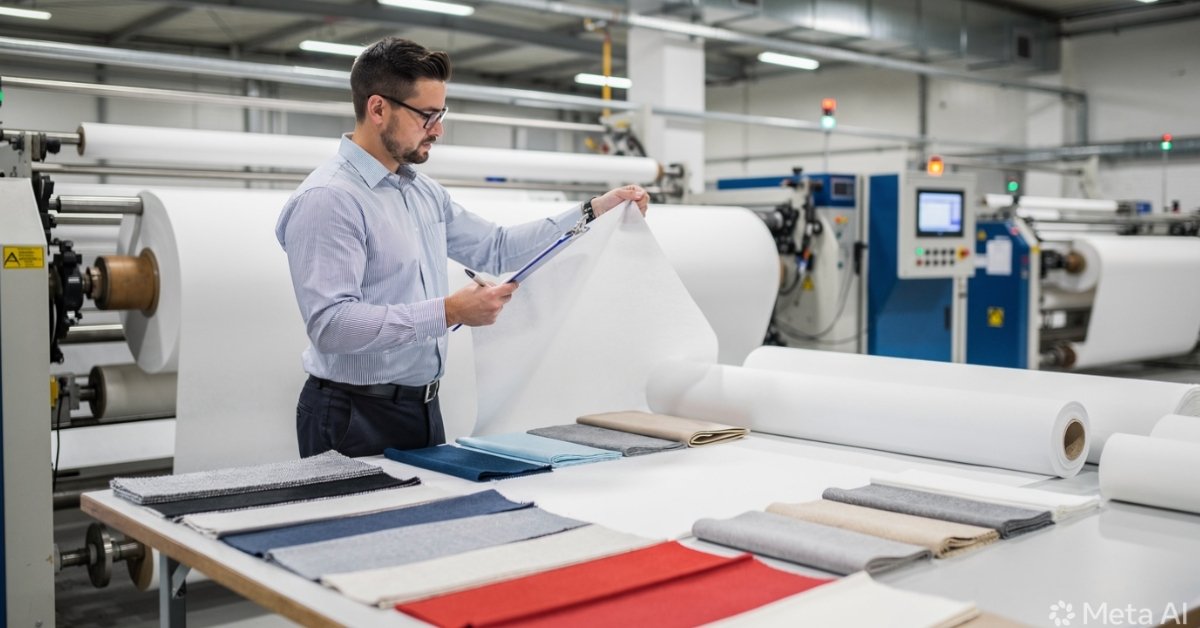
How to Choose a Nonwoven Fabric Manufacturer — 10 Questions to Ask Before Buying
Choosing the wrong nonwoven fabric manufacturer can cost you far more than the difference in…