


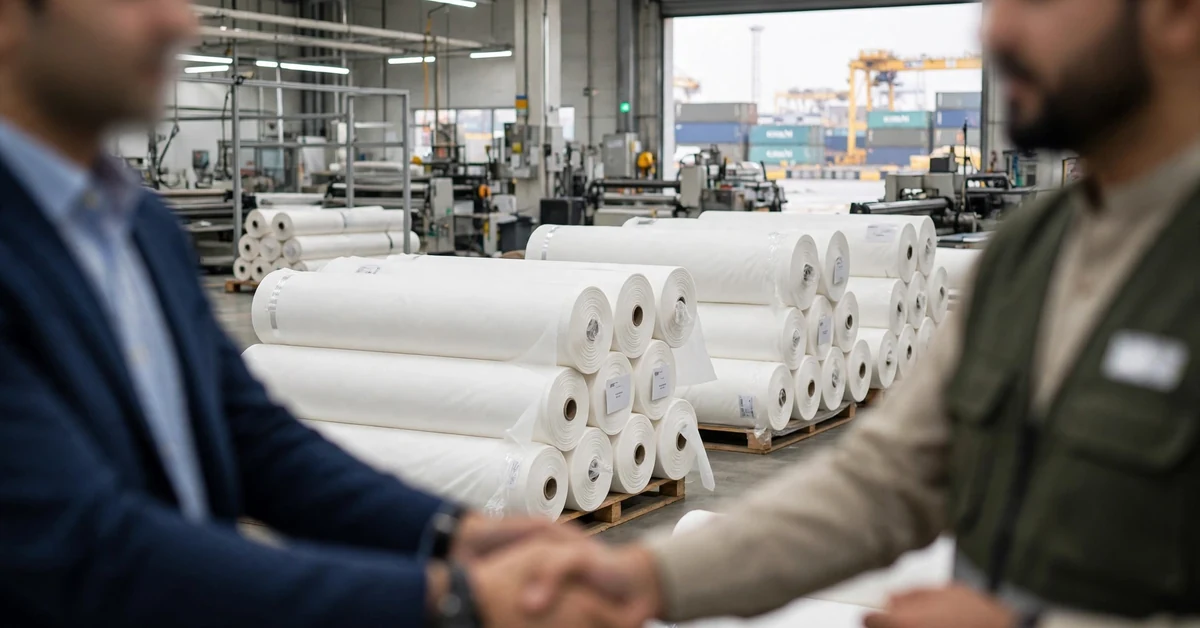
How to Choose & Source Nonwoven Fabric Manufacturers in Pakistan: Complete Buyer’s Guide
Sourcing high-quality polypropylene (PP) spunbond and composite nonwoven fabrics from Pakistan requires a strategic approach to supplier verification, material compliance, and export logistics. As Pakistan expands its industrial textile infrastructure, global buyers are leveraging competitive manufacturing costs and direct access to Karachi Port for GCC, Europe, and African markets. As detailed in our main Sourcing…
Read more
POSTED BY
Muhammad Ali
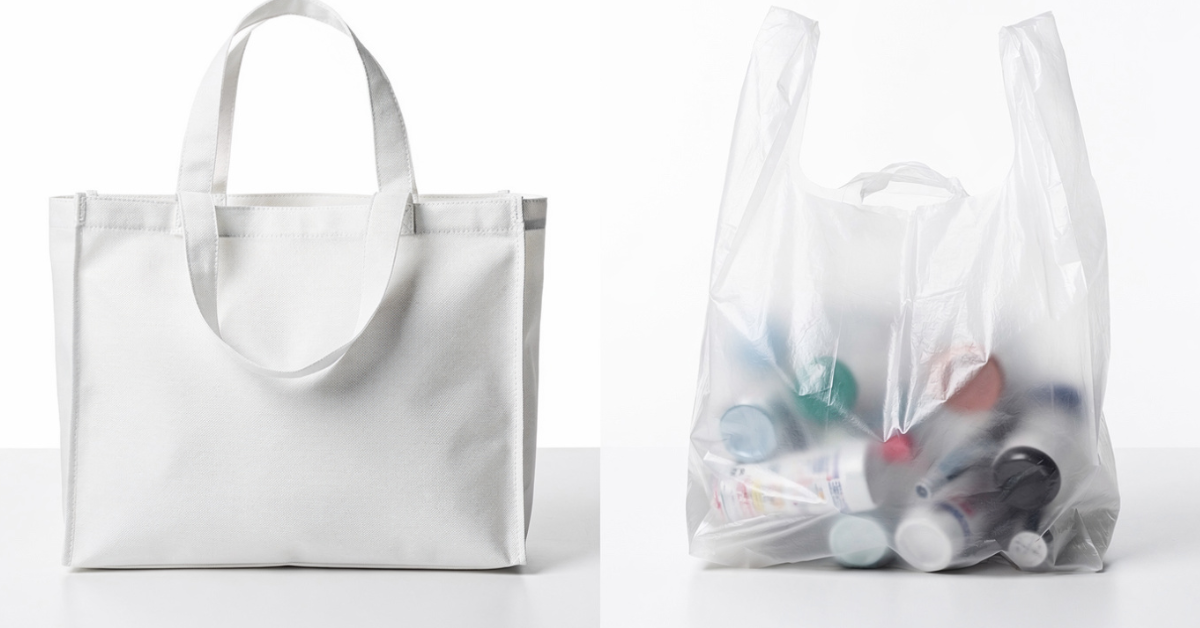
Nonwoven Fabric vs Plastic: Why PP Spunbond is the Smarter Choice
Manufacturers and procurement teams frequently face a choice between polypropylene nonwoven fabric and conventional plastic film for packaging, bags, protective covers, and product components. Both are polymer-based, both are cost-effective, and both come in a range of thicknesses and specifications. But they perform very differently — and the choice between them has significant implications for…
Read morePOSTED BY
Muhammad Ali
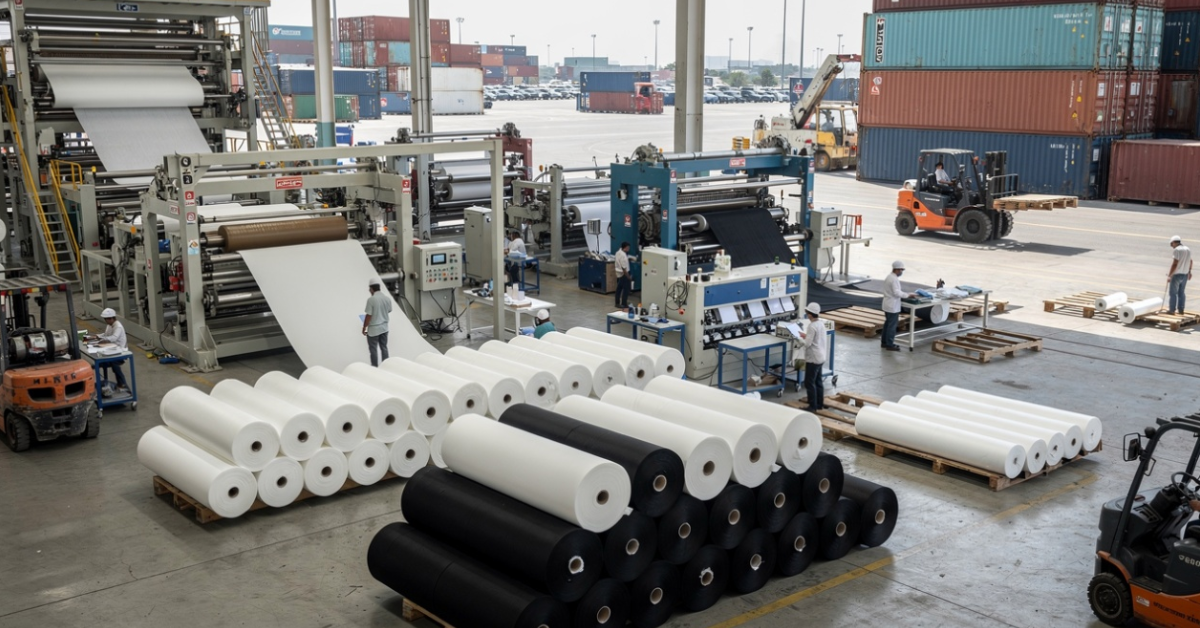
Nonwoven Fabric in Pakistan — Industry Overview & Export Capabilities 2026
Pakistan’s textile industry is one of the largest in the world, contributing over 60% of the country’s export earnings and employing millions. Within this massive sector, nonwoven fabric manufacturing has emerged as a significant and rapidly growing segment — driven by rising global demand for hygiene products, medical PPE, agricultural covers, and technical textiles. For…
Read morePOSTED BY
Muhammad Ali
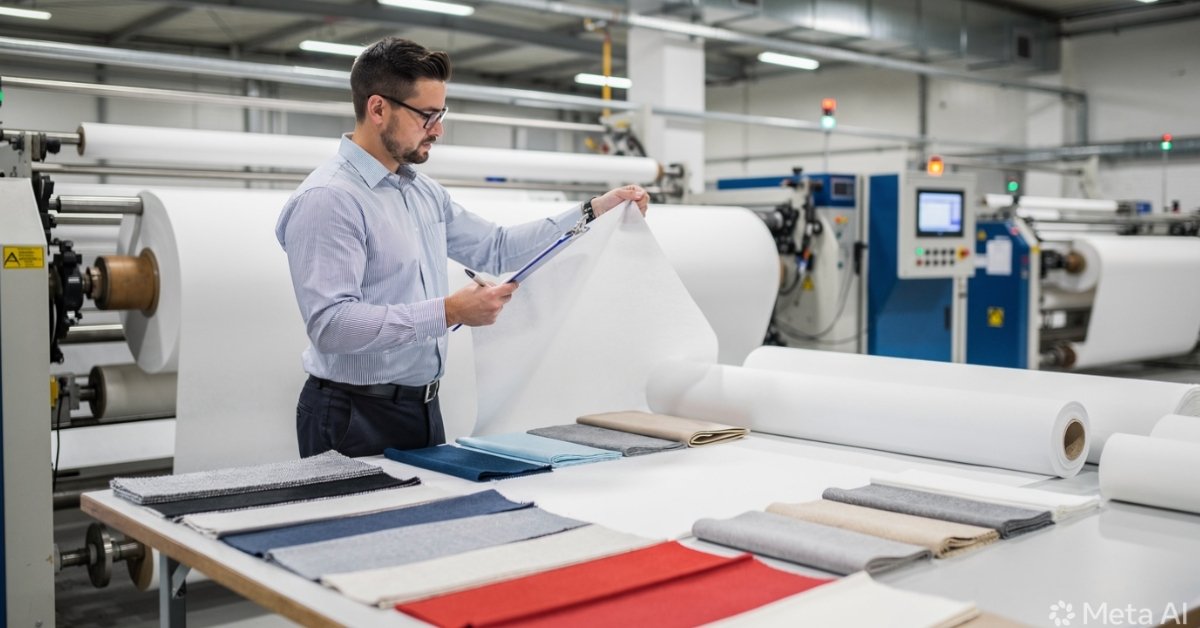
How to Choose a Nonwoven Fabric Manufacturer — 10 Questions to Ask Before Buying
Choosing the wrong nonwoven fabric manufacturer can cost you far more than the difference in price. Inconsistent GSM means your production line rejects rolls. Unreliable delivery shuts down your factory. Poor communication means problems go unresolved. And substandard fabric ends up in your finished product — reaching your customers. Whether you are evaluating your first…
Read morePOSTED BY
Muhammad Ali
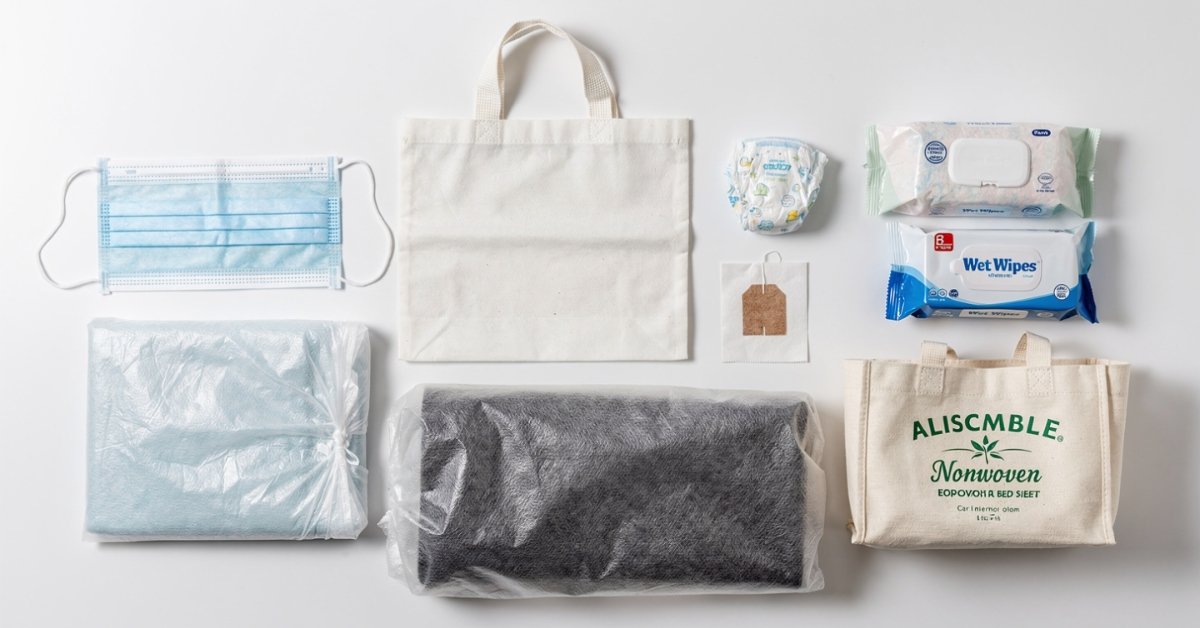
Top 10 Uses of Nonwoven Fabric in Everyday Products — 2026 Guide
Nonwoven fabric is one of the most widely used materials in modern manufacturing — yet most people never think about it. From the diaper your child wears to the surgical gown your surgeon puts on, from the shopping bag you carry to the road beneath your feet, nonwoven fabric is present in hundreds of products…
Read morePOSTED BY
Muhammad Ali
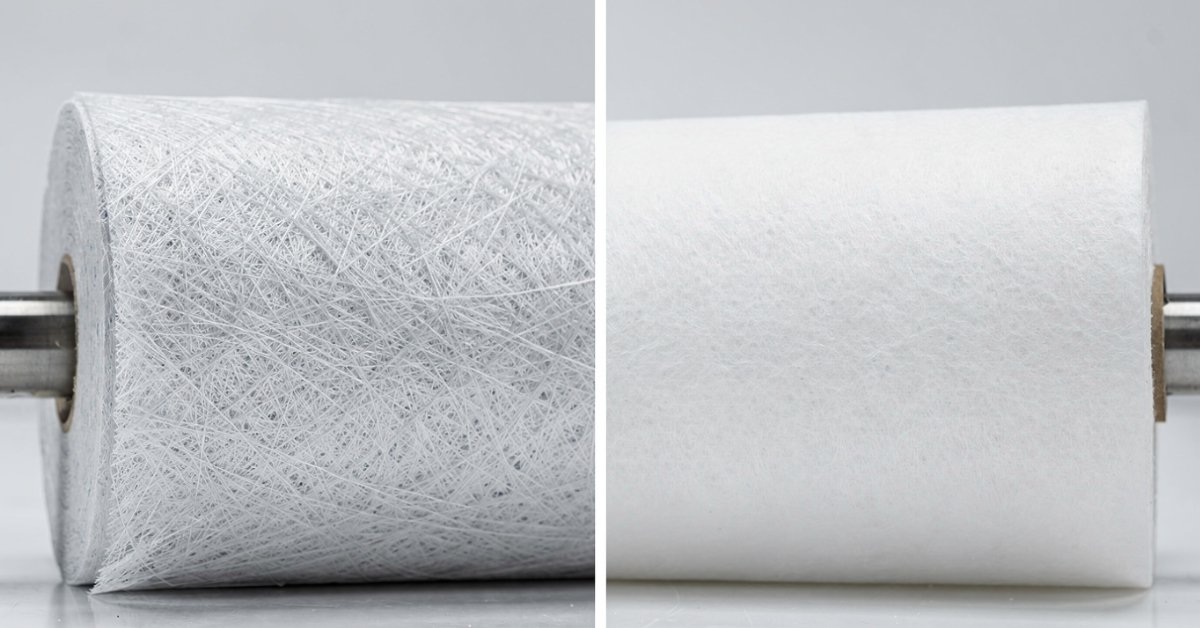
Spunbond vs Spunmelt Nonwoven Fabric — Key Differences Explained
Spunbond vs Spunmelt Nonwoven Fabric: Technical Comparison for Procurement Managers When you source nonwoven fabric for production, the terms spunbond and spunmelt appear on every datasheet and specification sheet. They are not interchangeable. Specifying the wrong construction for your application can result in product performance failures, converter line issues, or paying a premium for properties…
Read morePOSTED BY
Muhammad Ali
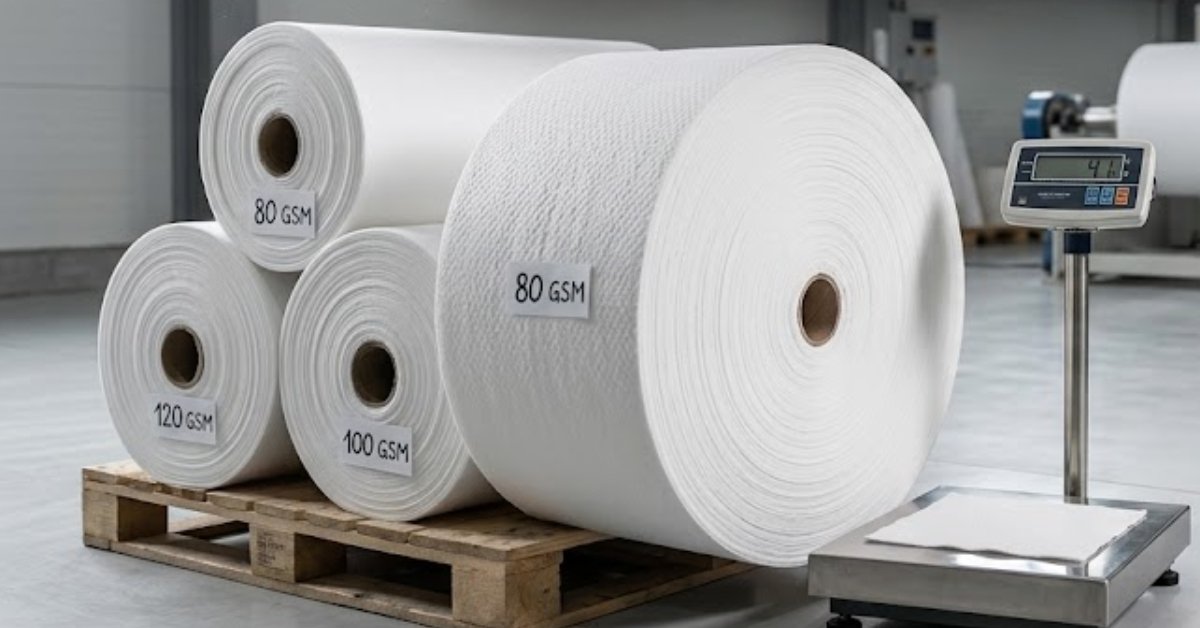
What Is GSM in Nonwoven Fabric?
What Is GSM in Nonwoven Fabric? How to Choose the Right Weight [2026 Guide] Most procurement managers learn about GSM the hard way — a rejected production batch, a diaper that leaks during quality testing, or a surgical gown that fails a barrier inspection. GSM (grams per square metre) is the single most critical specification…
Read morePOSTED BY
Muhammad Ali
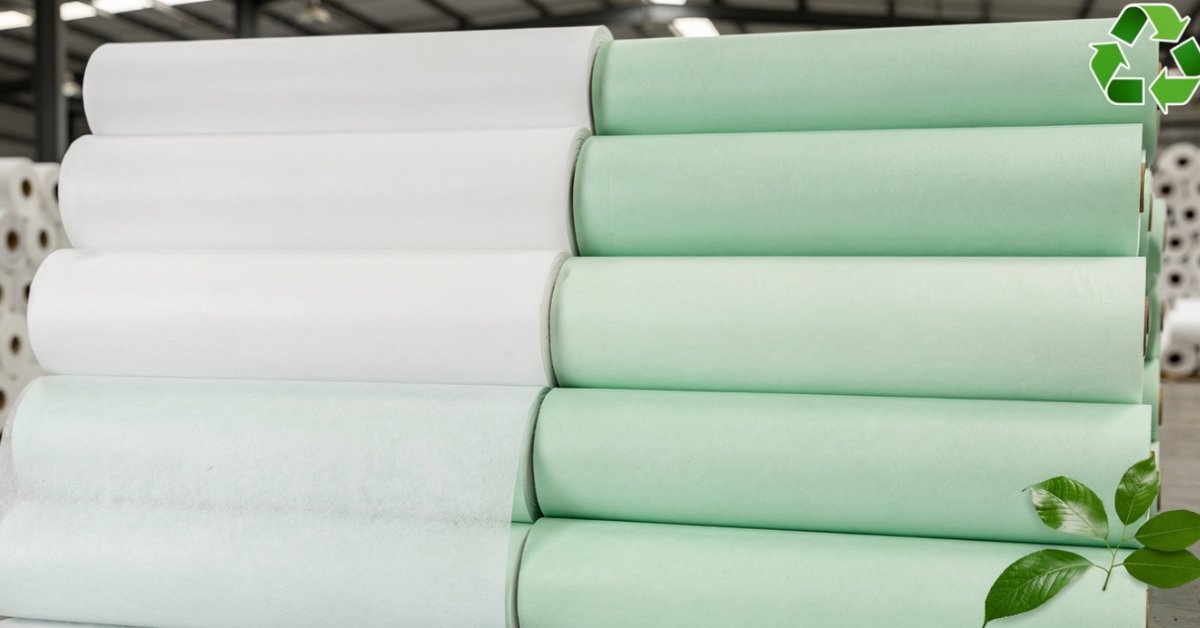
Sustainable Nonwoven Fabric: Is PP Spunbond Eco-Friendly?
Sustainability is one of the most discussed topics in the textile and materials industry today. As brands face increasing pressure from regulators, retailers, and consumers to reduce environmental impact, procurement teams are asking harder questions about the materials they source — including nonwoven fabric. This article provides an honest, factual assessment of the sustainability profile…
Read morePOSTED BY
Muhammad Ali
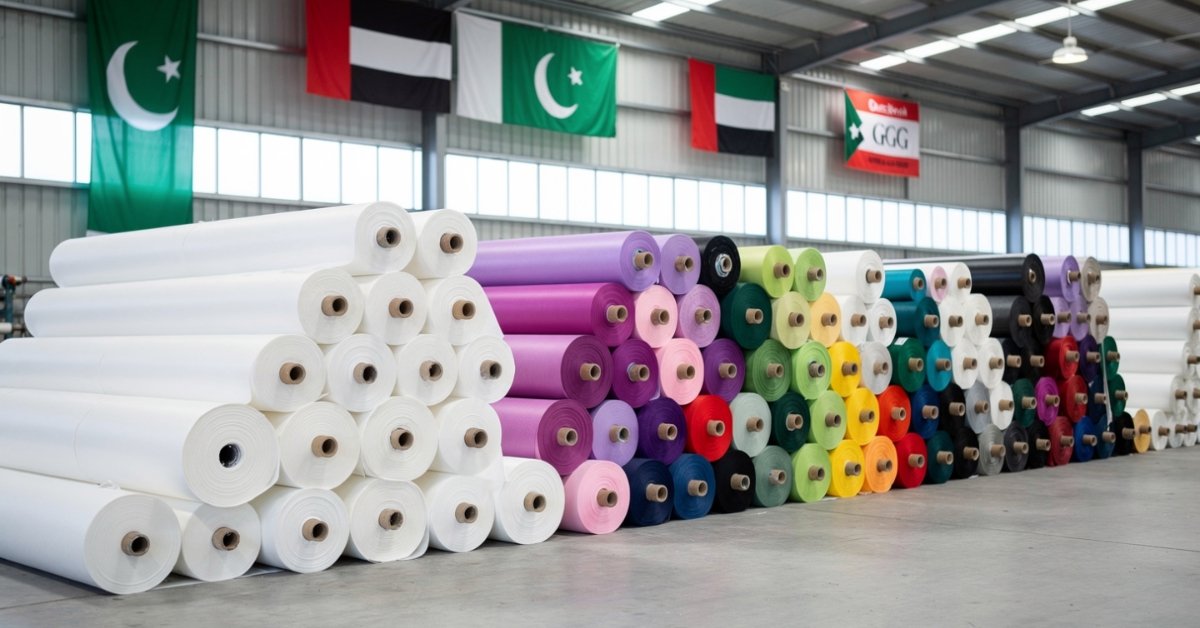
Nonwoven Fabric Supplier for UAE & GCC Buyers: Shipping, Specs & Port Logistics Guide
Karachi to Jebel Ali in 5–8 days, to Muscat in 4–7 days — with 30–50% lower sea freight than China. For procurement managers in the UAE, Saudi Arabia, Qatar, and Kuwait, sourcing nonwoven fabric from Pakistan is no longer a secondary option — it is a logistics advantage. For procurement managers and production directors in…
Read morePOSTED BY
Muhammad Ali
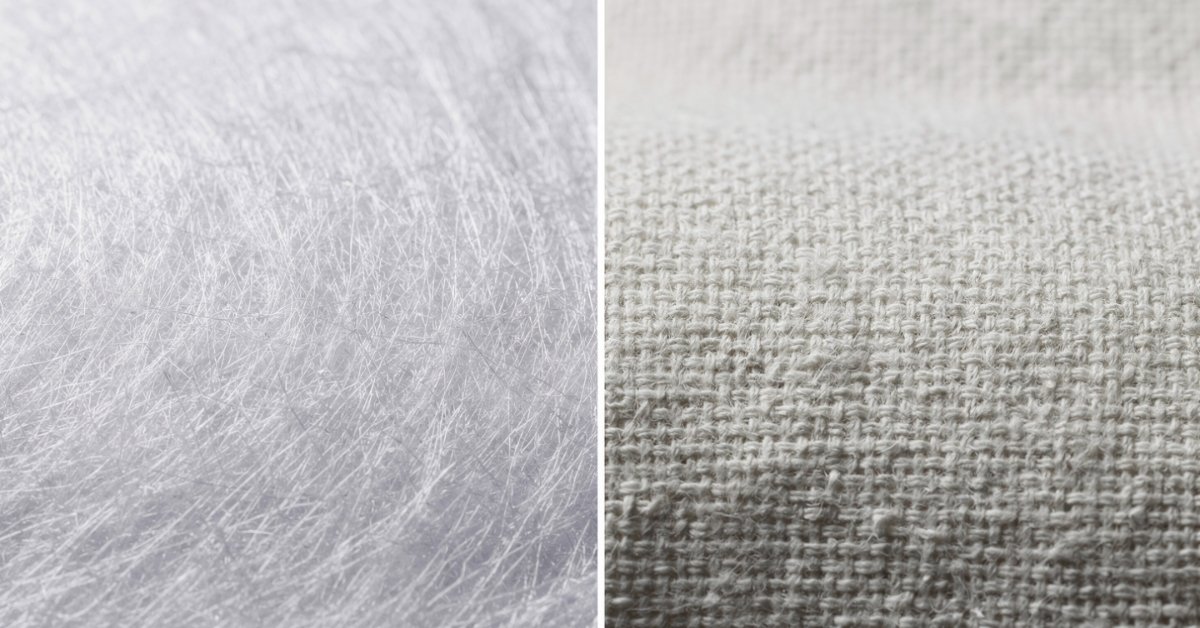
Nonwoven vs Woven Fabric: Key Differences, Properties & When to Use Each
Woven fabric is made by interlacing two sets of yarn at right angles on a loom. Non-woven fabric skips yarn and weaving entirely: fibres are laid into a web and bonded together by heat, pressure, chemicals or mechanical entanglement. That single difference in construction drives everything else. Woven fabric is stronger, more durable and reusable,…
Read morePOSTED BY