



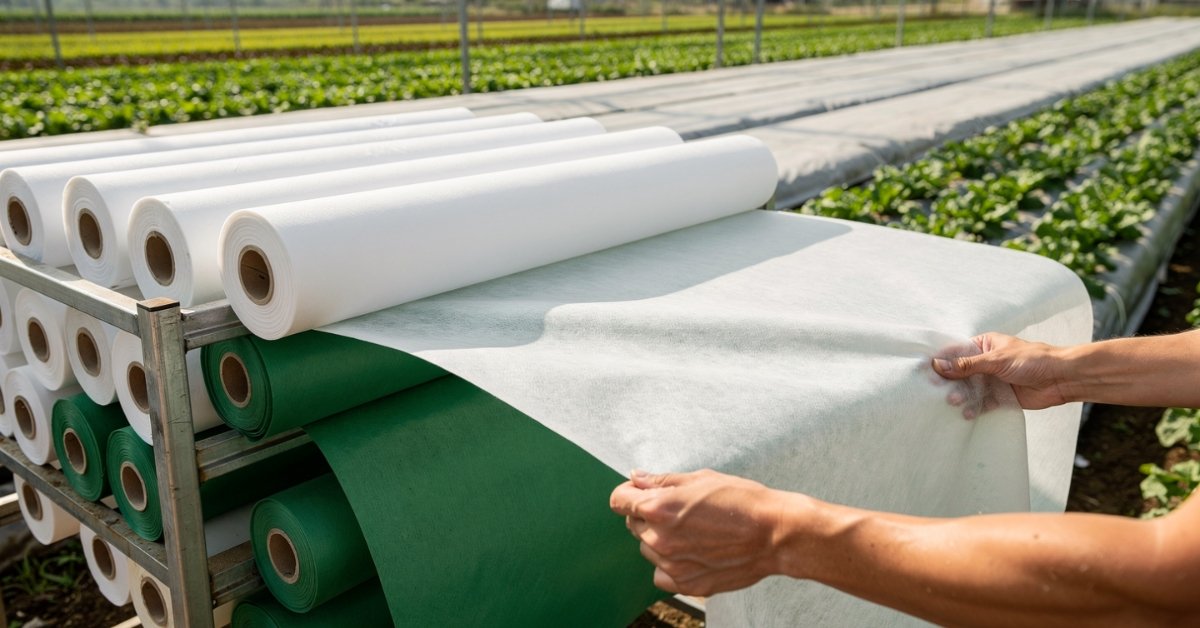
Agricultural nonwoven fabric has transformed modern farming. From frost protection and crop shading to weed suppression and erosion control, nonwoven covers and geotextiles are now essential tools for farmers, horticulturists, and agricultural product manufacturers worldwide.
This guide covers everything buyers need to know about nonwoven fabric for agricultural applications — including types, specifications, key benefits, and how to source the right product for your needs.
Types of Agricultural Nonwoven Fabric
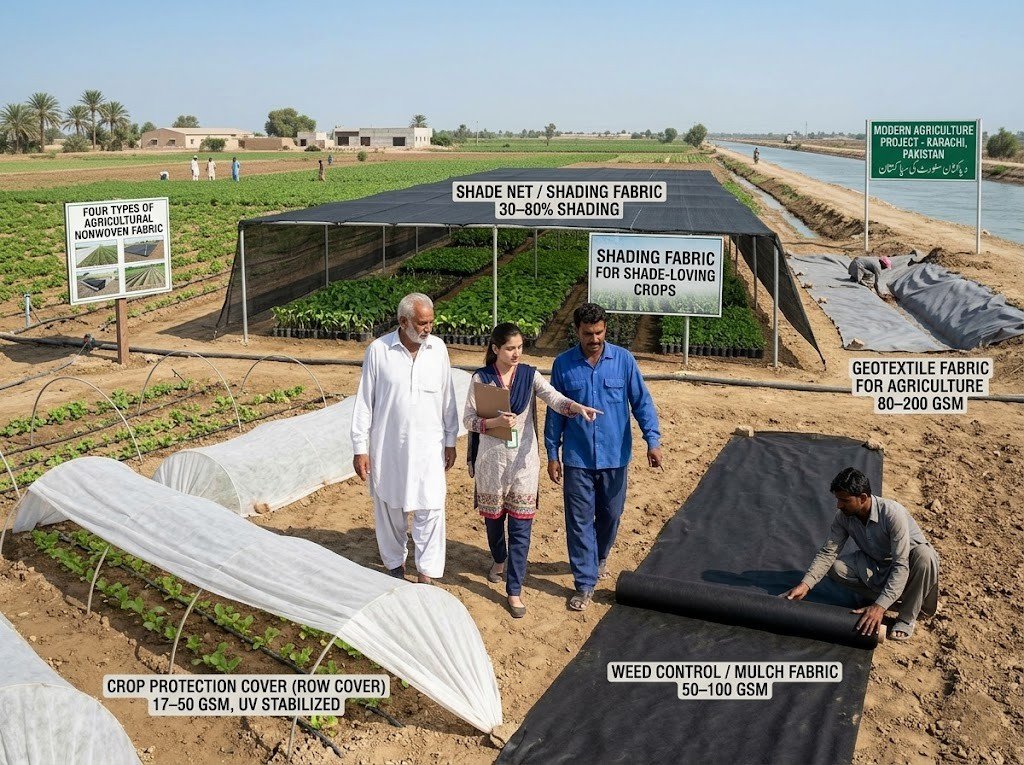
Crop Protection Cover (Row Cover)
A lightweight spunbond PP fabric laid directly over crops or supported by hoops. It transmits light and water while protecting against frost, insects, and wind. GSM range: 17–50 GSM. UV stabilized to extend outdoor lifespan.
Weed Control / Mulch Fabric
A heavier spunbond PP fabric (50–100 GSM) placed on the soil surface to suppress weed growth while allowing water and air to reach plant roots. More effective and environmentally friendly than plastic mulch film.
Shade Net / Shading Fabric
A woven or nonwoven fabric that reduces sunlight intensity for shade-loving crops. Shading percentages typically 30–80%. Protects against sunscald and heat stress in hot climates like Pakistan and the Middle East.
Geotextile Fabric for Agriculture
Heavy nonwoven (80–200 GSM) used in drainage systems, erosion control, and soil separation for terracing and irrigation infrastructure.
Key Benefits Over Traditional Methods
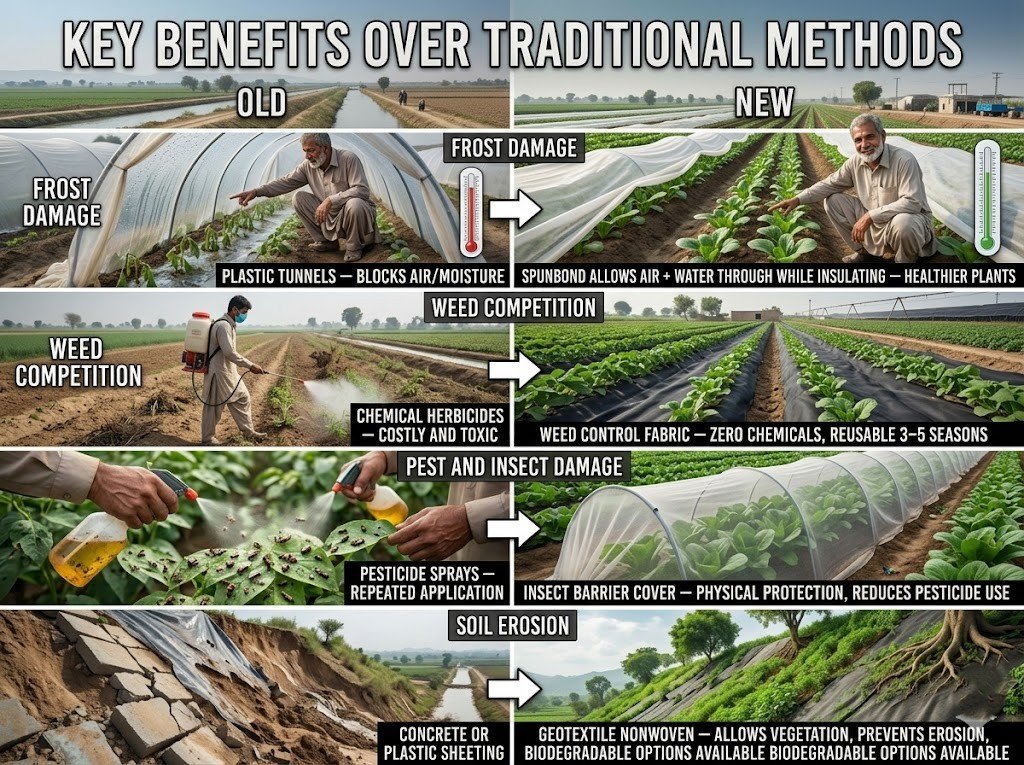
| Challenge | Traditional Solution | Nonwoven Advantage |
|---|---|---|
| Frost damage to seedlings | Plastic tunnels — blocks air/moisture | Spunbond allows air + water through while insulating — healthier plants |
| Weed competition | Chemical herbicides — costly and toxic | Weed control fabric — zero chemicals, reusable 3–5 seasons |
| Pest and insect damage | Pesticide sprays — repeated application | Insect barrier cover — physical protection, reduces pesticide use |
| Soil erosion on slopes | Concrete or plastic sheeting | Geotextile nonwoven — allows vegetation, prevents erosion, biodegradable options available |
Buying Guide: What to Specify When Ordering Agricultural Nonwoven
- GSM weight — lighter (17–30 GSM) for frost/insect protection; heavier (50–100 GSM) for weed control
- Width — specify the bed width you need to cover; standard widths are 1.6m, 2.1m, 3.2m, 4.2m
- UV stabilization level — critical for outdoor use; ask for UV lifespan in years (standard: 2–4 years)
- Color — white for crop covers (reflects heat in summer, retains warmth in winter); black for weed control
- Roll length — standard rolls are 100–500m; specify what works for your field size
- Perforation — some crop covers are available pre-perforated for planting holes
Pakistan-Specific Applications
In Pakistan’s agricultural sector, nonwoven fabric is gaining rapidly growing adoption for cotton, vegetables, strawberry cultivation, and tobacco farming. The hot summer climate makes UV-stabilized shading fabric particularly valuable, while the cooler northern highland winters create demand for frost protection covers. Pakistani manufacturers using locally produced agricultural nonwoven from Olefins benefit from competitive pricing and shorter supply chains compared to imported alternatives.
Olefins produces UV-stabilized spunbond PP agricultural nonwoven fabric in 17–100 GSM, widths up to 320cm, in white and black.
Contact info@olefins.net or WhatsApp +92 316 2055400 for bulk pricing and samples.
Post a comment
Related Posts
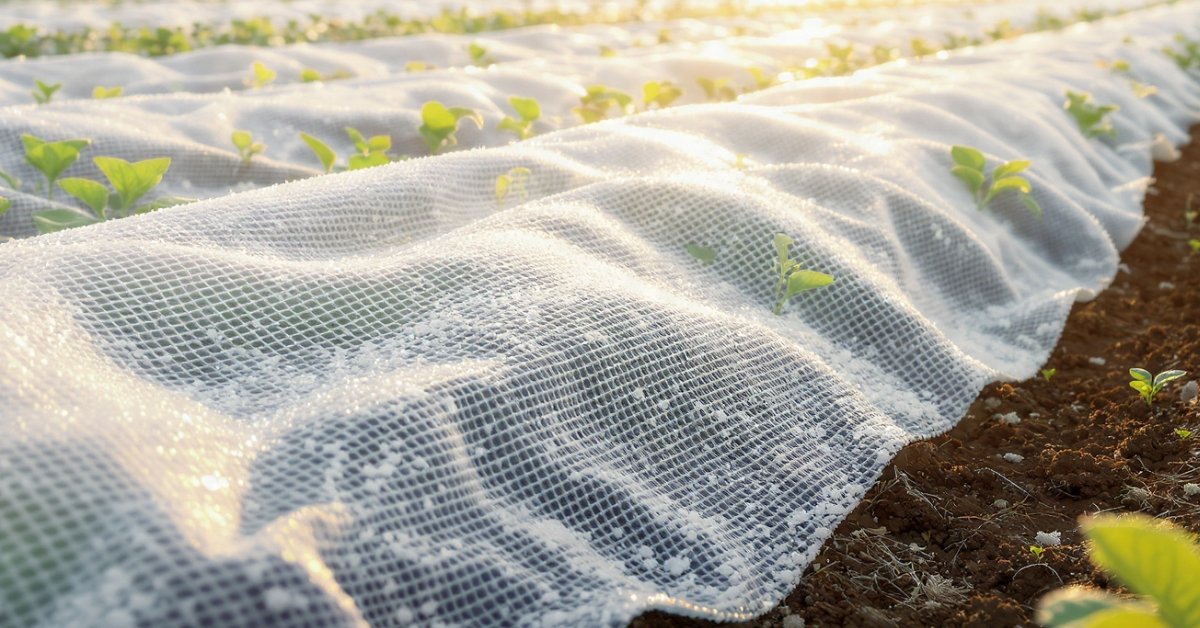
Crop Cover & Mulching Nonwoven Fabric — Frost Protection & UV Shield Guide
Introduction Polypropylene spunbond nonwoven fabric has transformed commercial agriculture over the past three decades. What…
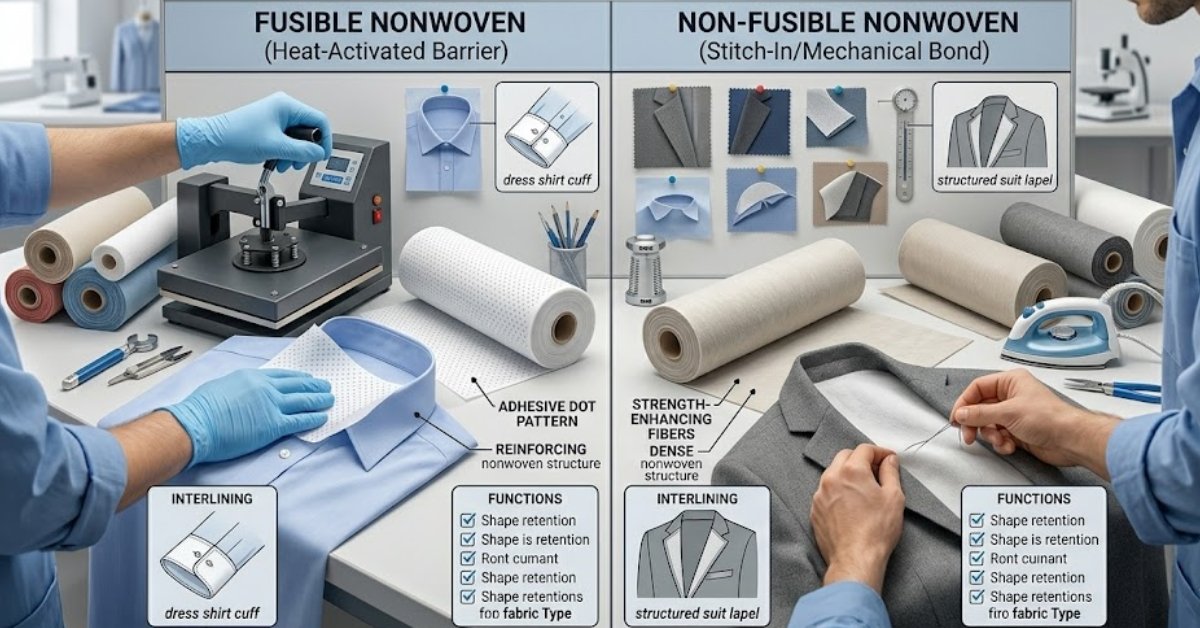
Nonwoven Interlining Fabric — Fusible & Non-Fusible Guide for Apparel Manufacturers
Introduction Interlining fabric is the hidden structural element in almost every garment that holds its…

Geotextile Nonwoven Fabric — Road, Drainage & Erosion Control Guide
Introduction Geotextiles are one of the largest volume applications for nonwoven fabric globally — second…
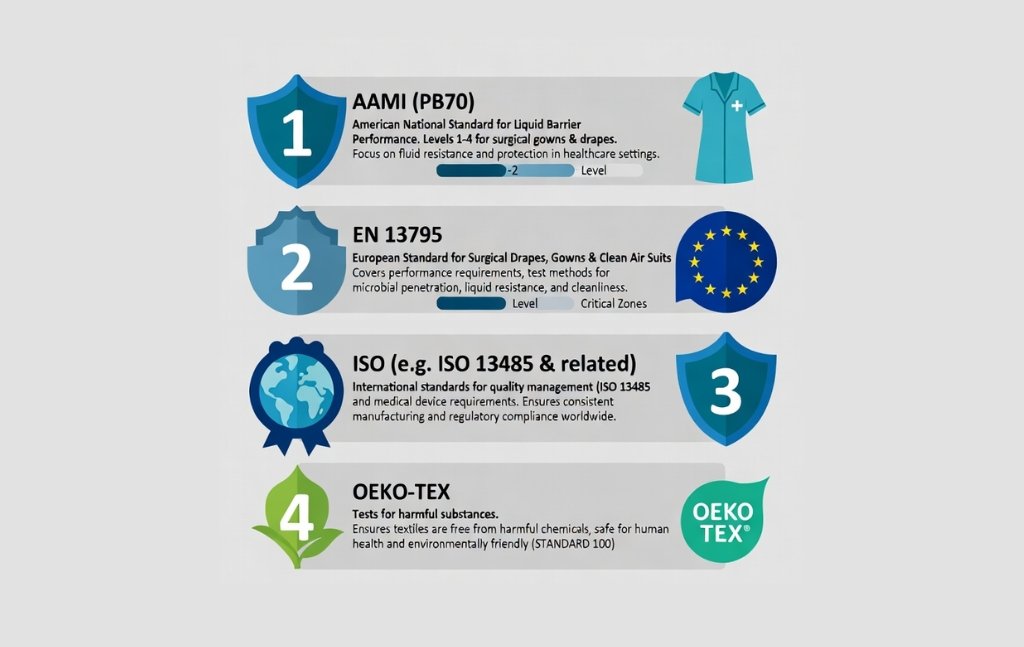
Medical Nonwoven Fabric Certifications — AAMI, EN 13795, ISO & OEKO-TEX Guide
Introduction Sourcing nonwoven fabric for medical, surgical or safety products without understanding the relevant certification…