


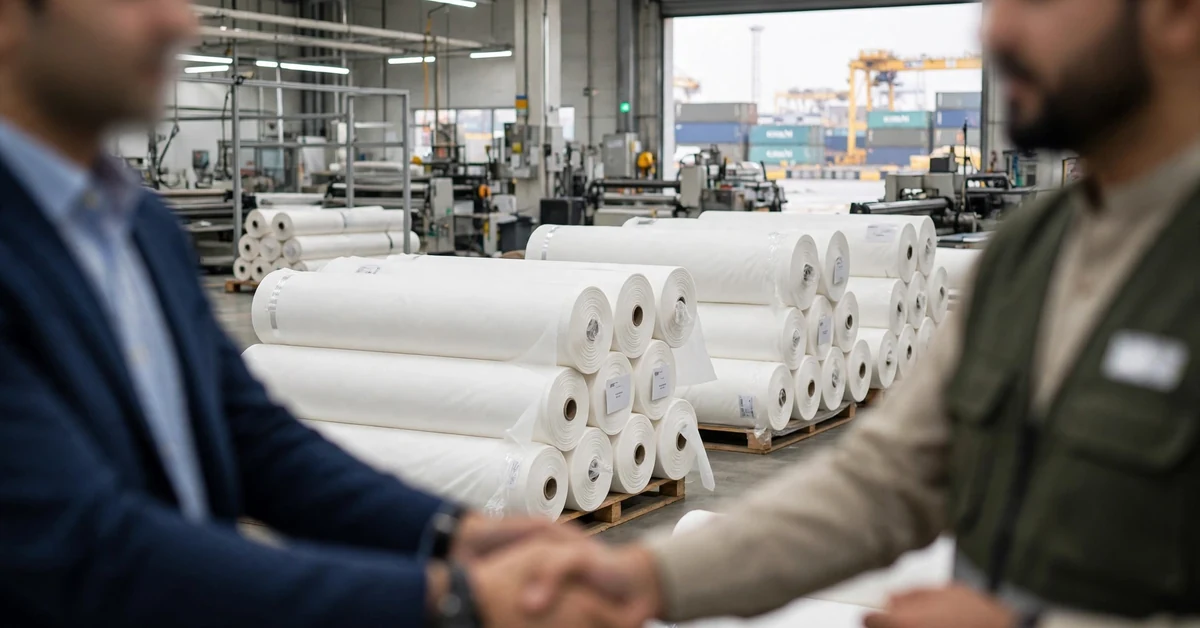
Sourcing high-quality polypropylene (PP) spunbond and composite nonwoven fabrics from Pakistan requires a strategic approach to supplier verification, material compliance, and export logistics. As Pakistan expands its industrial textile infrastructure, global buyers are leveraging competitive manufacturing costs and direct access to Karachi Port for GCC, Europe, and African markets.
As detailed in our main Sourcing Nonwoven Fabric From Pakistan Pillar Page, this guide consolidates market dynamics, supplier shortlisting protocols, and quality evaluation benchmarks for B2B procurement teams.
Pakistan Nonwoven Industry Market Overview (2026 Data)
Pakistan’s nonwoven sector has evolved from basic packaging substrates to advanced medical, agricultural, and industrial roll goods. Key manufacturing hubs in Karachi and Punjab utilize high-speed multi-beam extrusion lines capable of delivering wide-width rolls with customized treatments. For a complete overview of capacity and clusters, see our Sourcing Nonwoven Fabric From Pakistan.
| Industry Metric | Market Capability & Standard | Buyer Advantage |
|---|---|---|
| Extrusion Technology | Single-beam (S), Double-beam (SS), Triple-beam (SSS), and SMS/SMMS composite lines | High tensile strength and uniform GSM distribution |
| Customization Options | UV Stabilization, Hydrophilic, Hydrophobic, Flame Retardant, Anti-Static | Tailored specifications for agriculture, medical, and packaging use |
| Quality Control | In-house lab for GSM, tensile MD/CD, elongation, hydrostatic head testing as per Quality & Innovation standards | ISO 9001 and OEKO-TEX compliant shipments |
| Logistics Access | Direct ocean freight via Port Qasim and Karachi Port – see UAE & GCC transit times | Reduced transit times to GCC, Europe, and North Africa |
How to Verify a Manufacturer — 10-Point Checklist Summary
Supplier verification is critical before finalizing purchase orders. For the complete detailed checklist with Red Flags vs Good Answers table, test report samples, and audit protocols, see our dedicated guide:
👉 How to Choose a Nonwoven Fabric Manufacturer — 10 Questions to Ask Before Buying
This dedicated checklist covers: polymer grade verification (virgin PP vs recycled), maximum roll width capacity, GSM variance tolerance (+/- 3%), testing certifications (ISO 9001, OEKO-TEX, AAMI), custom color matching, MOQs, inline treatments, export packaging, lead times, and third-party inspection (SGS/Intertek). Do not duplicate the list here — use the master checklist to avoid cannibalization.
5 Red Flags to Avoid When Sourcing from Pakistan
- No in-house lab reports: If supplier cannot provide lot-level GSM and tensile reports, GSM variation will be high.
- Price too low vs market: Check our Nonwoven Fabric Price Per Kg Guide. If price is 15-20% below market, likely recycled PP blend.
- No Port Qasim / Karachi export history: New traders without manufacturing setup outsource and quality suffers.
- One GSM fits all claim: Each application needs specific GSM. See our Hygiene, Medical, and Textile pages for application-wise GSM.
- No sample swatch with spec sheet: Professional manufacturers always provide A4 swatch with GSM, width, treatment mentioned.
Payment Terms, MOQ & Export Documentation
- MOQ: 1 ton per GSM/color for standard colors, 2 tons for custom colors. Full 20ft container = ~8-10 tons.
- Payment: 30% Advance, 70% against BL copy or 100% LC at sight for new buyers. Old buyers TT terms.
- Documents: Commercial Invoice, Packing List, Certificate of Origin, OEKO-TEX, Bill of Lading.
- Lead Time: 10-12 days production + 3-5 days Karachi Port handling. Transit to Jebel Ali 5-7 days, to Europe 25-30 days.
4-Step Nonwoven Sourcing & Quality Protocol
- Spec Sheet Finalization: Define exact GSM, tensile strength (MD/CD), elongation %, and additive requirements as per our Manufacturing Process.
- Sample Testing & Lab Verification: Request lab dip samples and test for GSM uniformity, softness, and hydrostatic head (for SMS grades).
- On-Site / Virtual Audit: Inspect raw material storage, extrusion line calibration, and roll slitting equipment.
- Container Loading Inspection: Verify roll count, net weight vs gross weight, roll labeling, and moisture barrier protection before sealing.
Explore Regional & Commercial Sourcing Guides
- Return to main hub: Sourcing Nonwoven Fabric From Pakistan Pillar Page
- Middle East logistics & transit times: Nonwoven Fabric Supplier for UAE & GCC Buyers
- Understand roll pricing structures: Nonwoven Fabric Price Per Kg Guide
- Complete supplier verification: How to Choose a Nonwoven Fabric Manufacturer — 10 Questions Checklist
Frequently Asked QuestionsWhat documents should I ask for from a nonwoven manufacturer in Pakistan?
Ask for ISO 9001 certificate, OEKO-TEX Standard 100, recent lot-level lab reports (GSM, tensile MD/CD, elongation), Certificate of Origin, and export references for your region. For medical grades, also ask for AAMI or EN 13795 test reports.
What is the typical MOQ and lead time from Pakistan?
Standard MOQ is 1 ton per GSM/color for regular colors and 2 tons for custom colors. One 20ft container holds 8-10 tons. Lead time is 10-15 days production plus 3-5 days for Karachi Port handling.
How to verify virgin PP vs recycled PP blend?
Request Melt Flow Index (MFI) test report – virgin PP has consistent MFI 25-40. Check fabric whiteness and odor – recycled blend has yellowish tint and slight odor. Also ask for 100% virgin PP declaration on commercial invoice and check GSM variance – recycled has higher variance.
What payment terms are standard for Pakistan exports?
For new buyers: 30% advance and 70% against BL copy, or 100% Irrevocable LC at sight. For repeat buyers: 100% TT against documents. Avoid 100% advance for first order.
Can I arrange third-party inspection before shipment?
Yes, reputable manufacturers like Olefins allow SGS, Intertek, or Cotecna inspection on-site. Inspection includes roll count, GSM check, packing verification, and container sealing supervision. Inform supplier at PO stage.
What is the price difference vs China and UAE suppliers?
Pakistan is typically 5-8% higher than China FOB but offers 7-10 days shorter transit to GCC and lower freight to Europe/Africa. Compared to UAE traders who import and resell, Pakistan factory-direct is 12-15% cheaper. See our price guide for current per-kg pricing.
What roll width and packaging is used for export?
Standard widths are 1.6m, 2.4m, and 3.2m slit width. Each roll is wrapped in PE film with HDPE woven bag, core plugs on both sides, and labeled with GSM, width, lot number, and roll weight. Rolls are loaded vertically in container to save freight.
Do you provide free samples and spec sheets?
Yes, Olefins provides free A4 sample swatches with spec sheets for up to 3 GSM variants via courier. For roll samples (1-2 kg), courier charges apply. Request via our Request Sample page with your GSM, width, color, and treatment requirements.
What documents should I ask for from a nonwoven manufacturer in Pakistan?
Ask for ISO 9001 certificate, OEKO-TEX Standard 100, recent lot-level lab reports (GSM, tensile MD/CD, elongation), Certificate of Origin, and export references for your region. For medical grades, also ask for AAMI or EN 13795 test reports.
What is the typical MOQ and lead time from Pakistan?
Standard MOQ is 1 ton per GSM/color for regular colors and 2 tons for custom colors. One 20ft container holds 8-10 tons. Lead time is 10-15 days production plus 3-5 days for Karachi Port handling.
How to verify virgin PP vs recycled PP blend?
Request Melt Flow Index (MFI) test report – virgin PP has consistent MFI 25-40. Check fabric whiteness and odor – recycled blend has yellowish tint and slight odor. Also ask for 100% virgin PP declaration on commercial invoice and check GSM variance – recycled has higher variance.
What payment terms are standard for Pakistan exports?
For new buyers: 30% advance and 70% against BL copy, or 100% Irrevocable LC at sight. For repeat buyers: 100% TT against documents. Avoid 100% advance for first order.
Can I arrange third-party inspection before shipment?
Yes, reputable manufacturers like Olefins allow SGS, Intertek, or Cotecna inspection on-site. Inspection includes roll count, GSM check, packing verification, and container sealing supervision. Inform supplier at PO stage.
What is the price difference vs China and UAE suppliers?
Pakistan is typically 5-8% higher than China FOB but offers 7-10 days shorter transit to GCC and lower freight to Europe/Africa. Compared to UAE traders who import and resell, Pakistan factory-direct is 12-15% cheaper. See our price guide for current per-kg pricing.
What roll width and packaging is used for export?
Standard widths are 1.6m, 2.4m, and 3.2m slit width. Each roll is wrapped in PE film with HDPE woven bag, core plugs on both sides, and labeled with GSM, width, lot number, and roll weight. Rolls are loaded vertically in container to save freight.
Do you provide free samples and spec sheets?
Yes, Olefins provides free A4 sample swatches with spec sheets for up to 3 GSM variants via courier. For roll samples (1-2 kg), courier charges apply. Request via our Request Sample page with your GSM, width, color, and treatment requirements.
Post a comment
Related Posts
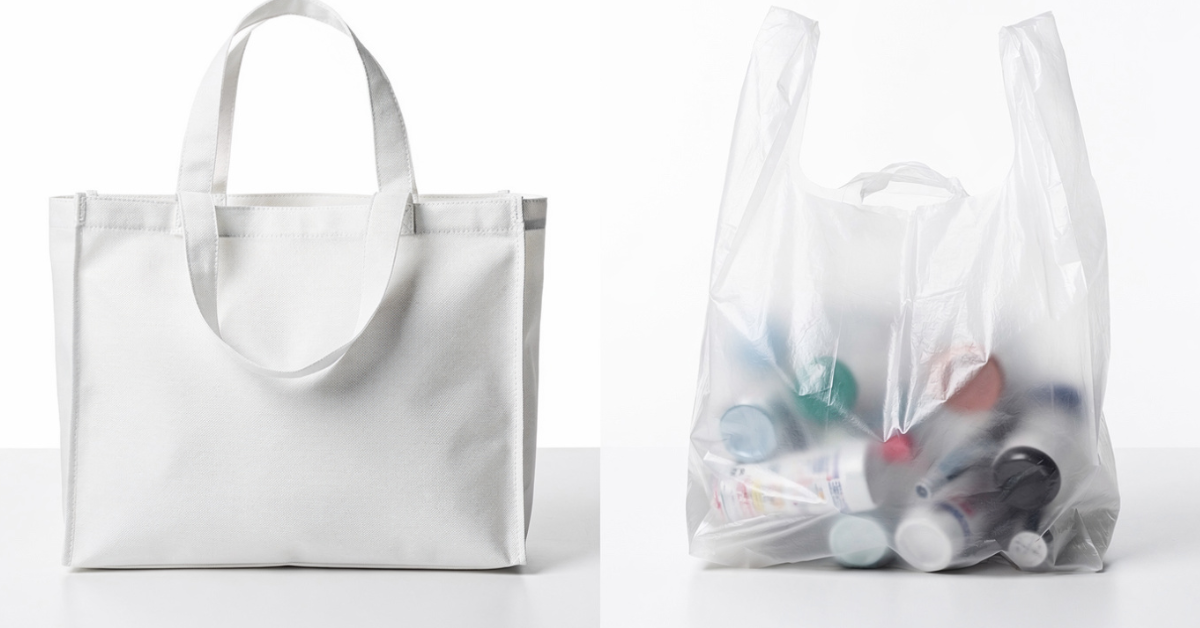
Nonwoven Fabric vs Plastic: Why PP Spunbond is the Smarter Choice
Manufacturers and procurement teams frequently face a choice between polypropylene nonwoven fabric and conventional plastic…
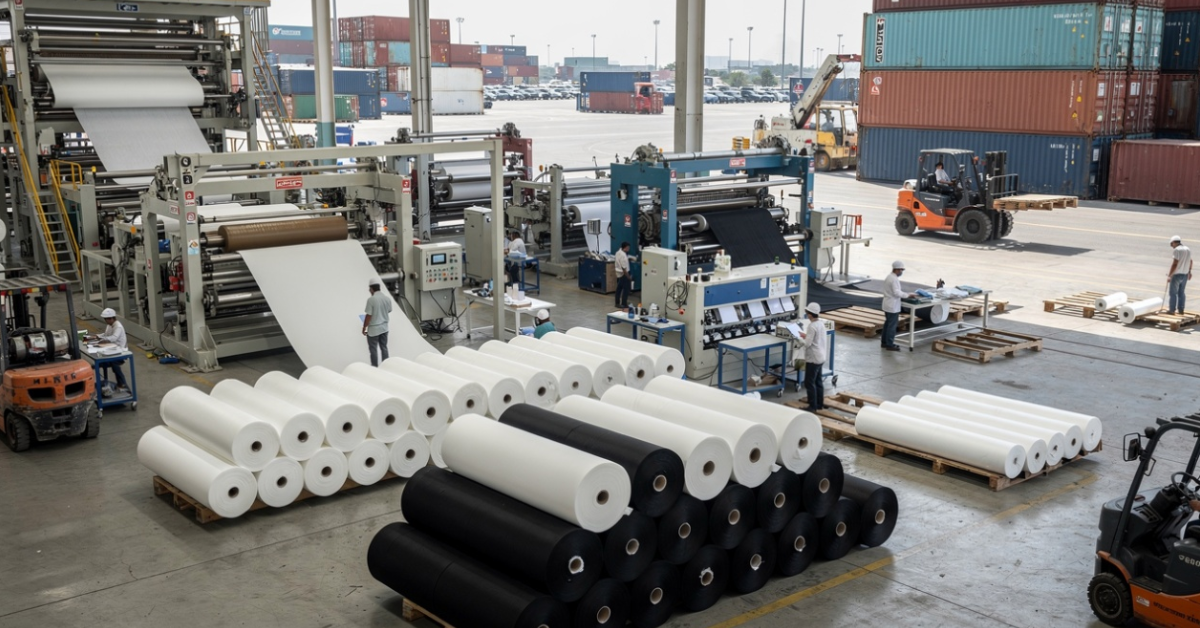
Nonwoven Fabric in Pakistan — Industry Overview & Export Capabilities 2026
Pakistan’s textile industry is one of the largest in the world, contributing over 60% of…
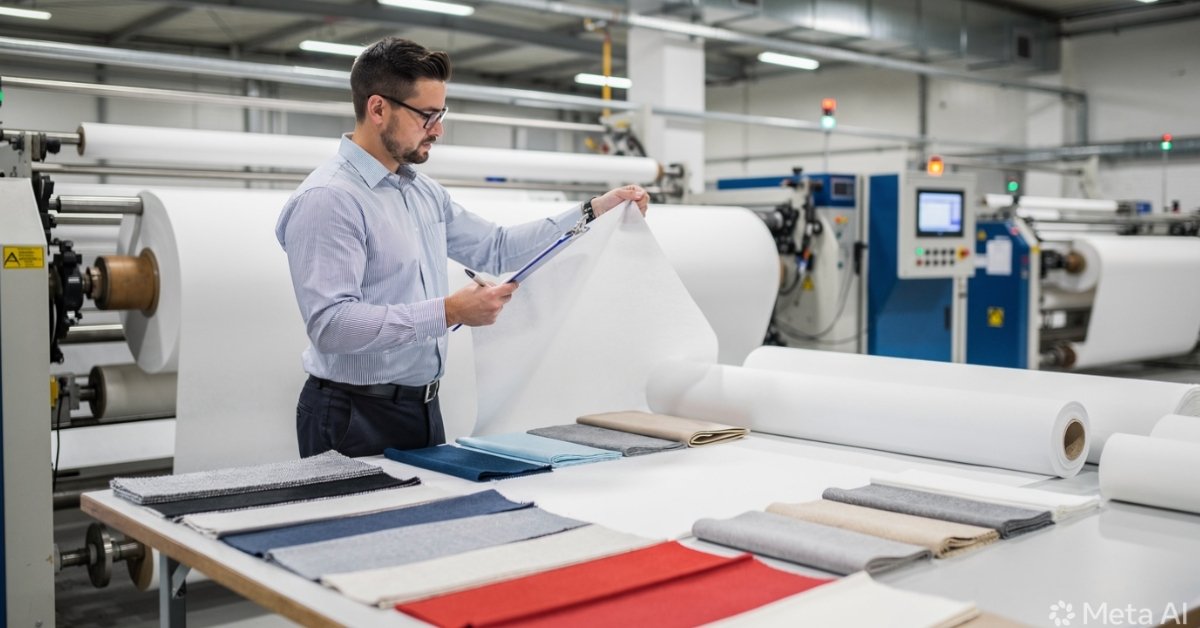
How to Choose a Nonwoven Fabric Manufacturer — 10 Questions to Ask Before Buying
Choosing the wrong nonwoven fabric manufacturer can cost you far more than the difference in…
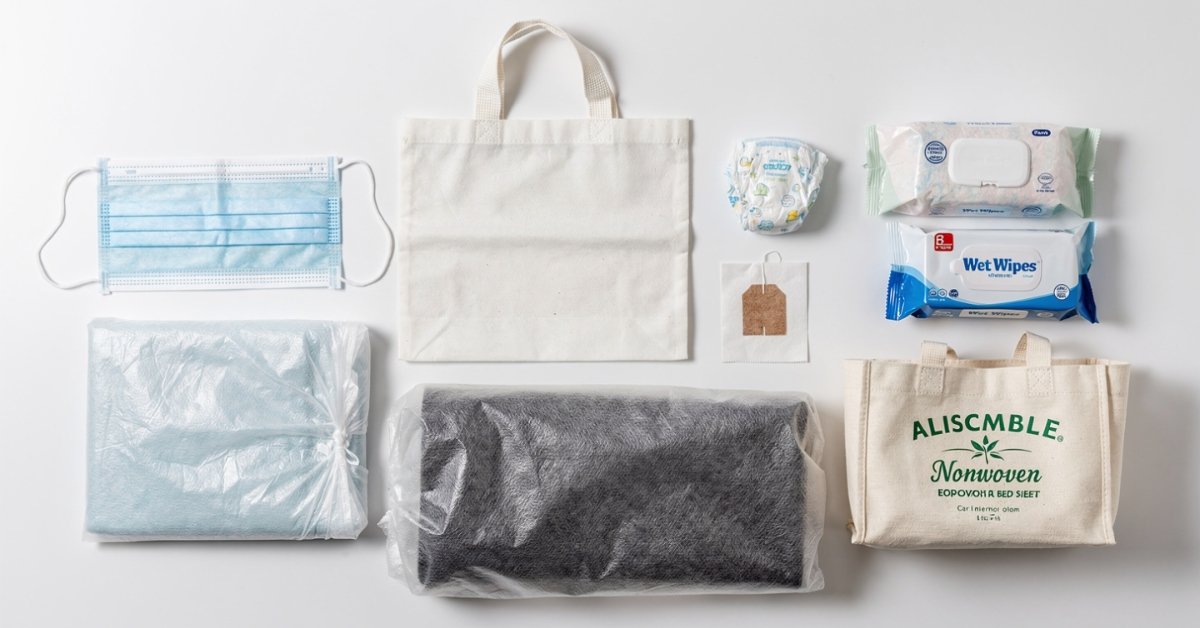
Top 10 Uses of Nonwoven Fabric in Everyday Products — 2026 Guide
Nonwoven fabric is one of the most widely used materials in modern manufacturing — yet…